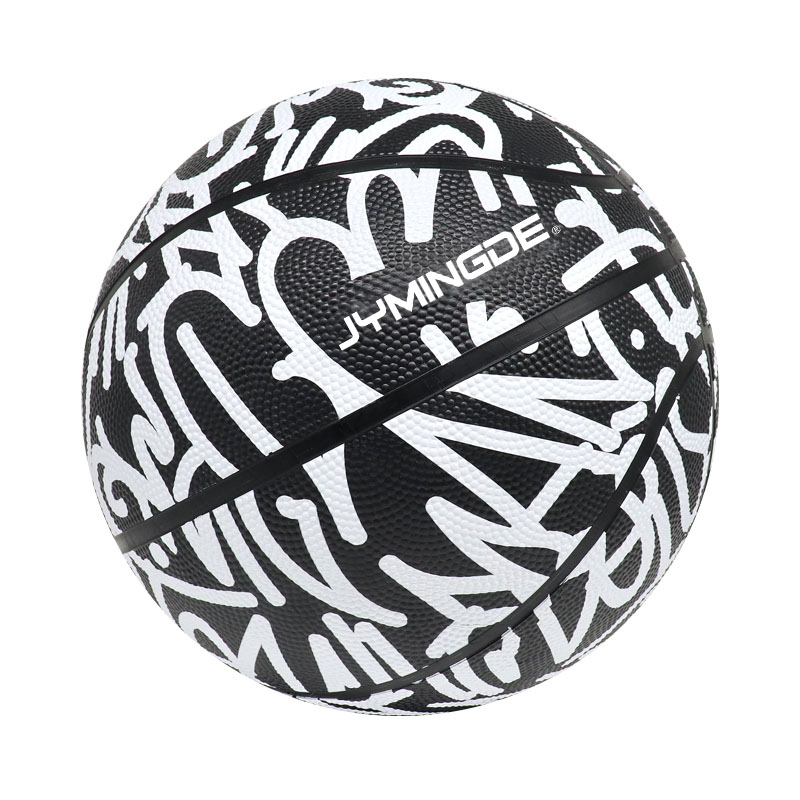
A basketball is typically made up of several functional components, including the cover, structural layers, winding, bladder, and valve system. The interaction between these components can influence bounce consistency, handling, shape retention, and long-term performance.
Air pressure is one of the important factors behind basketball rebound. When the ball hits the ground, its shape changes temporarily. The air inside is compressed, while the ball structure also stores and releases energy. As the ball recovers its shape, this energy contributes to the rebound.
Different inflation levels can create different playing characteristics. A higher pressure may make the ball feel firmer and change its rebound response, while lower pressure may increase deformation during impact. The appropriate inflation level should follow the product's intended design and application.
The bladder also plays an essential role. It stores air and helps maintain the shape of the ball. Different bladder materials may offer different characteristics in elasticity and air retention, which can influence long-term performance.
Another important component is the winding or reinforcement structure. This internal layer can help support shape stability and improve the consistency of the finished ball. If the internal construction is uneven, the ball may experience changes in shape or performance over time.
Basketball bounce is not determined by a single material. It is the result of air pressure, bladder performance, structural design, material elasticity, and manufacturing consistency working together.
From a manufacturing perspective, factors such as size, weight, roundness, air retention, and rebound performance can all be part of the quality-control process.
A quality basketball should not only feel good during its first use. It should also maintain stable shape and performance throughout repeated play.
Behind every consistent bounce is a combination of material science, structural design, and manufacturing precision.